

Dehydration After Drinking: What Happens to Your Body and How IV Therapy May Help

A night of drinking can leave the body playing catch-up for hours the next day. Dry mouth, headache, fatigue, dizziness, nausea, and brain fog are not random. They often come from a mix of fluid loss, electrolyte shifts, poor sleep, stomach irritation, and the way the body processes alcohol.
Dehydration after drinking is common because alcohol changes how the body manages water. While drinking water can help, some people look for IV therapy when symptoms feel more intense or when nausea makes it hard to keep fluids down. IV hydration may help restore fluids more quickly, but it is not a cure for intoxication, alcohol misuse, or serious medical symptoms.
This article is for informational purposes only and does not replace medical advice, diagnosis, or treatment.
Alcohol changes how your body holds water
Alcohol affects a hormone called vasopressin, also known as antidiuretic hormone. This hormone helps the kidneys conserve water. When alcohol suppresses it, the kidneys send more water into urine.
That is why urination often increases during drinking, even when the body still needs fluid. The result can be a lower fluid level by the time alcohol wears off.
Common signs of dehydration after drinking include:
Dry mouth and thirst
Headache or pressure in the head
Dark urine or less frequent urination
Lightheadedness
Fatigue and weakness
Muscle cramps
Brain fog or poor concentration
Dehydration is not the only reason hangovers happen, but it is a major part of why the body feels depleted. Alcohol can also irritate the stomach lining, disrupt blood sugar balance, and interfere with normal sleep cycles. These effects can stack together, making symptoms feel worse than simple thirst.
The body must process alcohol before it can fully recover
The liver does most of the work of breaking down alcohol. It converts alcohol into acetaldehyde, then into acetate, which the body can use and remove. Acetaldehyde is irritating to the body, and it likely plays a role in the “toxic” feeling that can follow heavy drinking.
While the liver is doing this work, the rest of the body is also trying to rebalance.
The brain may feel foggy because it is sensitive to changes in hydration, sleep, blood sugar, and inflammation. Muscles may ache because alcohol can affect recovery, fluid balance, and electrolyte levels. The stomach may feel unsettled because alcohol increases irritation and can slow or disrupt digestion.
This is why drinking water alone may help but not solve every symptom. Recovery usually requires several things at once:
Replacing lost fluid
Restoring electrolytes
Eating gentle, nutrient-containing food if tolerated
Resting and sleeping
Giving the liver time to metabolize alcohol
No hydration method can force the liver to process alcohol instantly. Time remains the main factor.
IV therapy may support hydration when oral fluids are difficult
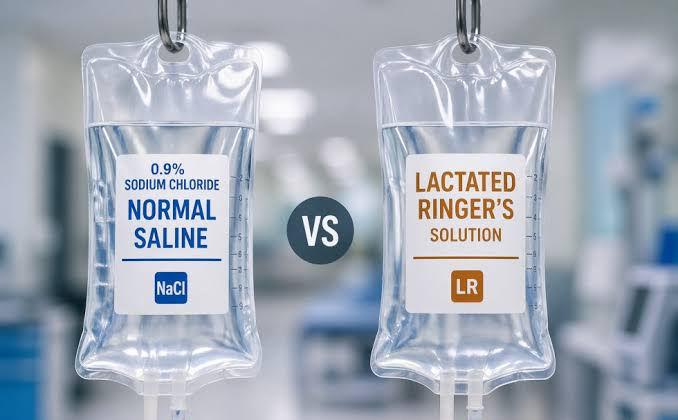
IV therapy delivers fluids through a vein, which allows the fluid to enter the bloodstream directly. For dehydration after drinking, IV hydration often includes sterile fluids and may include electrolytes. Some formulas also include vitamins, though the benefits of added vitamins depend on the person and the formulation.
The main reason people consider IV therapy after drinking is simple: nausea, vomiting, or stomach upset can make it difficult to drink enough water. If fluids taken by mouth keep coming back up, hydration can remain low.
IV hydration may help by supporting:
Faster fluid replacement Fluids bypass the digestive tract and enter circulation directly.
Electrolyte balance Sodium, potassium, and other electrolytes help the body manage muscle function, nerve signaling, and fluid movement.
Reduced dehydration-related symptoms Headache, dizziness, and fatigue may improve when dehydration is the main driver.
Rehydration when the stomach is upset IV fluids may be useful when sipping water is not tolerated.
The phrase Increase fluid, lubricate brain tissue and helps with brain fog reflects a common idea behind hydration support, but it should be understood carefully. Hydration supports normal brain function, and correcting dehydration may improve fogginess. It does not mean IV therapy directly treats the brain or reverses alcohol’s effects on the nervous system.
IV therapy has limits and is not right for every situation
IV therapy can be useful in some cases, but it should be handled by qualified medical professionals. It involves placing a needle into a vein, using sterile equipment, and assessing whether a person is a good candidate.
Potential risks include:
Irritation or bruising at the injection site
Infection if sterile technique is not followed
Fluid overload in people with certain heart, kidney, or liver conditions
Electrolyte imbalance if the formula is not appropriate
Masking symptoms that need urgent medical attention
IV hydration should not be used to “sober up” faster. It does not remove alcohol from the bloodstream on demand. It also does not make it safe to drive, work, exercise intensely, or drink more alcohol.
Seek urgent medical care if symptoms include confusion, fainting, chest pain, trouble breathing, repeated vomiting, seizures, bluish or pale skin, severe weakness, or inability to wake someone. These can be signs of alcohol poisoning or another serious condition.
People who are pregnant, have kidney disease, heart disease, uncontrolled high blood pressure, liver disease, or a history of fluid balance problems should speak with a medical professional before receiving IV therapy.
Practical ways to reduce dehydration after drinking
The best approach starts before symptoms appear. No method makes heavy drinking risk-free, but simple habits can reduce the chance of severe dehydration.
Before and during drinking:
Eat a balanced meal with protein, carbohydrates, and healthy fats.
Alternate alcoholic drinks with water.
Avoid drinking quickly.
Be cautious with high-alcohol drinks and shots.
Pay attention to heat, sweating, and physical activity, which increase fluid loss.
After drinking:
Sip water rather than forcing large amounts at once.
Use an oral electrolyte drink if tolerated.
Eat bland foods if the stomach is unsettled, such as toast, soup, bananas, rice, or crackers.
Rest in a safe position and avoid driving.
Avoid taking medications that may interact with alcohol unless directed by a clinician.
For many people, oral hydration, food, and rest are enough. IV therapy may be more relevant when dehydration symptoms are stronger, when vomiting prevents normal fluid intake, or when a medical provider recommends it based on symptoms and health history.
The main takeaway
Dehydration after drinking happens because alcohol increases fluid loss and disrupts the body’s normal balance. The result can include headache, thirst, dizziness, fatigue, and brain fog. IV therapy may help restore fluids and electrolytes when oral hydration is difficult, but it is not a shortcut for alcohol metabolism or a substitute for urgent medical care.
The safest recovery plan is straightforward: rehydrate, replace electrolytes, eat gently if possible, rest, and allow time. If symptoms are severe, unusual, or worsening, medical evaluation is the right next step.


.png)
Comments