

Hiking in Triple Digits: Is Mobile IV Therapy the Solution You Need?
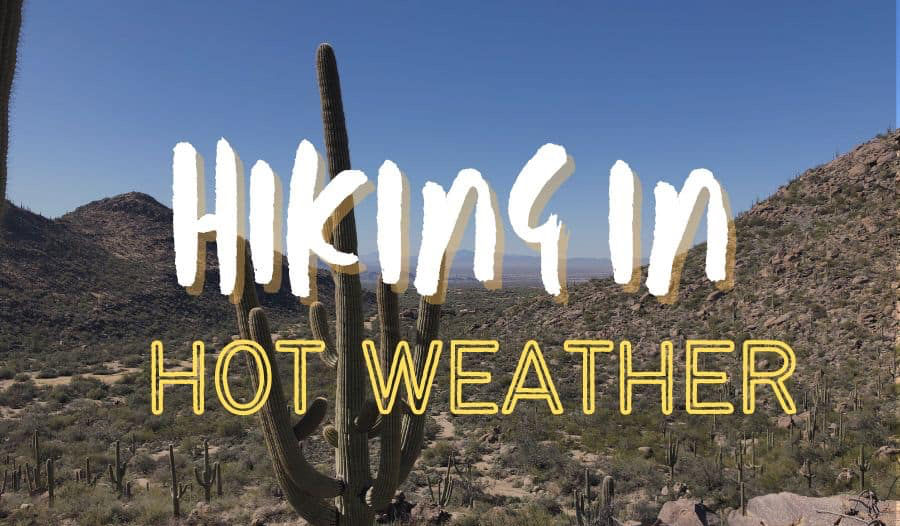
Hiking when temperatures soar above 100 degrees Fahrenheit presents serious challenges. The risk of dehydration, heat exhaustion, and heat stroke rises sharply in such extreme heat. Yet, many outdoor enthusiasts still want to enjoy their favorite trails despite the sweltering conditions. Mobile IV therapy has emerged as a potential aid for hikers facing these risks. But is it really the solution you need when hiking in triple-digit heat? This post explores the dangers of hiking in extreme heat, how mobile IV therapy works, and whether it can help you stay safe and energized on the trail.
The Risks of Hiking in Extreme Heat
Hiking in temperatures above 100°F puts significant stress on the body. Your core temperature rises, and your body works overtime to cool itself through sweating. This leads to rapid fluid loss and depletion of essential electrolytes like sodium, potassium, and magnesium. Without proper hydration and electrolyte balance, you risk:
Dehydration: Loss of water impairs physical and cognitive function, causing dizziness, fatigue, and confusion.
Heat exhaustion: Symptoms include heavy sweating, weakness, headache, nausea, and muscle cramps.
Heat stroke: A medical emergency where the body’s temperature regulation fails, leading to confusion, loss of consciousness, and potential organ damage.
Even experienced hikers can underestimate how quickly heat affects their bodies. The dry heat common in desert or arid regions can accelerate dehydration without the obvious signs of sweating. This makes it crucial to prepare carefully and monitor your condition closely.
How Mobile IV Therapy Works
Mobile IV therapy delivers fluids, electrolytes, vitamins, and minerals directly into your bloodstream through an intravenous drip. This bypasses the digestive system, allowing for rapid absorption and immediate hydration. The therapy typically includes:
Saline or lactated Ringer’s solution for hydration
Electrolytes like sodium, potassium, and calcium to restore balance
Vitamins such as B-complex and vitamin C to support energy and immune function
Mobile IV therapy providers come to your location, whether at home, a hotel, or even near trailheads, making it convenient for hikers to get treatment before or after their outdoor adventures.
Benefits of Mobile IV Therapy for Hikers in Hot Weather
Mobile IV therapy offers several advantages for those hiking in extreme heat:
Rapid rehydration: IV fluids replenish lost water faster than drinking alone, helping to prevent or reverse dehydration.
Electrolyte replacement: Restoring electrolytes reduces muscle cramps and supports nerve and muscle function.
Energy boost: Vitamins in the IV can improve energy levels and reduce fatigue.
Convenience: Mobile services bring treatment to you, eliminating the need to visit a clinic or hospital.
For example, a hiker who starts feeling weak and dizzy after a long trek in 105°F heat could receive mobile IV therapy shortly after returning to base camp. This treatment can quickly restore hydration and electrolytes, speeding recovery and reducing the risk of heat-related illness.
When Mobile IV Therapy May Not Be Enough
While mobile IV therapy can be a helpful tool, it is not a substitute for proper preparation and caution. Hiking in triple-digit heat still carries serious risks, and IV therapy should be part of a broader safety plan that includes:
Planning hikes during cooler parts of the day, such as early morning or late afternoon
Wearing lightweight, breathable clothing and sun protection
Carrying ample water and electrolyte drinks
Knowing the signs of heat illness and acting quickly if symptoms appear
Avoiding strenuous activity if you feel unwell
Mobile IV therapy is a supportive treatment, not a cure-all. Severe heat stroke requires immediate emergency medical attention, and IV therapy alone cannot reverse life-threatening conditions.
Practical Tips for Hiking Safely in Triple-Digit Heat
If you decide to hike when temperatures are extremely high, follow these practical tips to reduce your risk:
Hydrate before, during, and after your hike. Drink water regularly and consider electrolyte supplements.
Take frequent breaks in shaded areas to cool down and rest.
Wear a wide-brimmed hat and UV-protective sunglasses.
Use sunscreen with high SPF to protect exposed skin.
Choose trails with access to water sources or shade.
Listen to your body and turn back if you feel dizzy, nauseous, or excessively fatigued.
Combining these precautions with mobile IV therapy can help you enjoy hiking safely, even in challenging heat.
Final Thoughts on Mobile IV Therapy and Hiking in Extreme Heat
Hiking in triple-digit temperatures is risky but sometimes unavoidable for outdoor enthusiasts. Mobile IV therapy offers a fast and effective way to rehydrate and replenish electrolytes, which can support recovery and reduce the severity of heat-related symptoms. However, it should never replace careful planning, hydration, and awareness of heat illness signs.


.png)
Comments