

What Triple-Digit Temperatures Do to Your Body- How IV Therapy Can Help
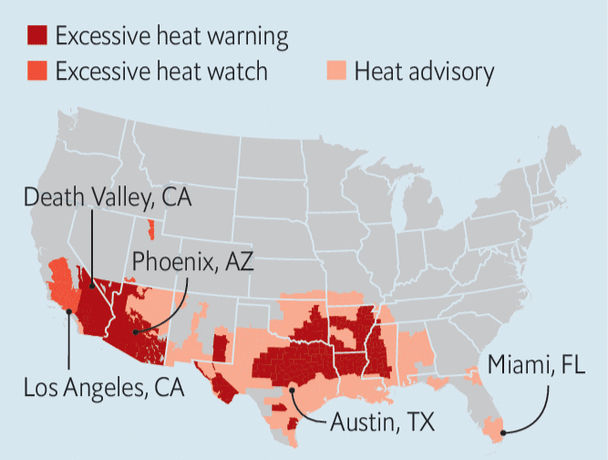
When temperatures climb into the triple digits, the human body faces serious challenges. Heat stress, dehydration, and exhaustion become real threats that can affect anyone, especially those spending time outdoors or in poorly cooled environments. Understanding how extreme heat impacts your body is crucial, as is knowing how treatments like IV therapy can support recovery and maintain health during these intense conditions.
How Extreme Heat Affects Your Body
The human body works hard to maintain a stable internal temperature around 98.6°F (37°C). When the outside temperature soars above 100°F (38°C), your body must work even harder to cool down. Here’s what happens:
Increased sweating: Your body produces sweat to cool the skin through evaporation. This process causes significant fluid loss.
Dehydration risk: Sweating removes water and electrolytes like sodium and potassium. Without replenishment, dehydration sets in, leading to dizziness, headaches, and fatigue.
Heat exhaustion: Prolonged exposure to high heat can cause heat exhaustion, marked by heavy sweating, weakness, nausea, and rapid pulse.
Heat stroke danger: If the body fails to cool itself, heat stroke can occur. This is a medical emergency where body temperature rises above 104°F (40°C), potentially causing organ damage or death.
The strain on your cardiovascular system also increases. Your heart pumps faster to move blood to the skin’s surface for cooling. This can lead to elevated heart rate and blood pressure, which may be dangerous for people with heart conditions.
Signs You Should Watch For
Recognizing early symptoms of heat-related illness can prevent serious complications:
Excessive thirst and dry mouth
Muscle cramps or weakness
Lightheadedness or fainting
Headache and confusion
Rapid heartbeat or breathing
If these symptoms appear, it’s important to act quickly by moving to a cooler place, drinking fluids, and resting.
How IV Therapy Supports Recovery from Heat Stress
IV therapy delivers fluids, electrolytes, and vitamins directly into the bloodstream, offering rapid rehydration and nutrient replenishment. This method bypasses the digestive system, making it especially effective when someone is too weak or nauseous to drink enough fluids.
Benefits of IV Therapy in High Heat Conditions
Fast hydration: IV fluids restore water balance quickly, helping to reverse dehydration.
Electrolyte replacement: Sodium, potassium, and magnesium are essential for muscle function and nerve signaling. IV therapy replenishes these vital minerals lost through sweating.
Energy boost: Vitamins like B-complex and vitamin C can be added to IV fluids to support energy production and immune function.
Reduced recovery time: People often feel better faster after IV therapy compared to oral hydration alone.
For example, athletes, outdoor workers, and elderly individuals exposed to extreme heat may benefit from IV therapy to prevent heat exhaustion or speed up recovery after heat exposure.
Practical Tips to Protect Yourself in Triple-Digit Heat
While IV therapy can help after heat stress occurs, prevention remains the best strategy. Here are some practical steps:
Drink plenty of water throughout the day, even if you don’t feel thirsty.
Avoid alcohol and caffeine, which can increase dehydration.
Wear lightweight, loose-fitting clothing and a wide-brimmed hat.
Limit outdoor activities during peak heat hours, usually between 10 a.m. and 4 p.m.
Use fans or air conditioning to stay cool indoors.
Take frequent breaks in shaded or air-conditioned areas if you must be outside.
Monitor vulnerable individuals such as children, seniors, and those with chronic illnesses.
When to Seek Medical Help
If you or someone else shows signs of heat stroke, call emergency services immediately. Symptoms include:
High body temperature above 104°F (40°C)
Confusion, seizures, or loss of consciousness
Hot, dry skin or profuse sweating
Rapid, weak pulse
Heat stroke requires urgent medical treatment, often including IV fluids and cooling measures in a hospital setting.
Final Thoughts on Managing Heat Stress
Triple-digit temperatures place a heavy burden on the body, increasing the risk of dehydration, heat exhaustion, and heat stroke. Recognizing symptoms early and taking preventive steps can protect your health. When heat stress occurs, IV therapy offers a fast and effective way to rehydrate and restore essential nutrients, helping your body recover more quickly.


.png)
Comments