

Understanding Oxidative Stress: Its Impact on Your Body and Health
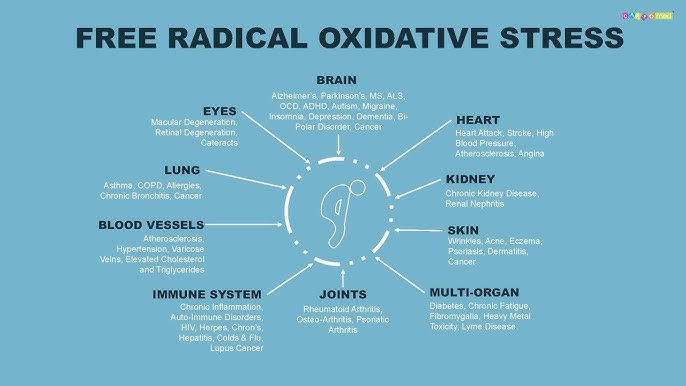
Oxidative stress is a term that has gained attention in health discussions, but many people still wonder what it really means and how it affects the body. This process plays a significant role in aging and various diseases, making it important to understand how it works and what you can do to manage it.
What Is Oxidative Stress?
Oxidative stress happens when there is an imbalance between free radicals and antioxidants in your body. Free radicals are unstable molecules that can damage cells, proteins, and DNA by stealing electrons through a process called oxidation. Your body naturally produces free radicals during normal metabolism, but external factors like pollution, smoking, and UV radiation can increase their numbers.
Antioxidants are molecules that neutralize free radicals by donating electrons without becoming unstable themselves. When your body has enough antioxidants, it can keep free radicals in check. But when free radicals outnumber antioxidants, oxidative stress occurs, leading to cellular damage.
How Oxidative Stress Affects Your Body
Oxidative stress can impact your body in several ways, often contributing to the development of chronic conditions and accelerating aging. Here are some key effects:
Cell Damage
Free radicals can damage the lipids in cell membranes, proteins, and DNA. This damage can impair cell function or cause cells to die prematurely.
Inflammation
Oxidative stress can trigger inflammation, which is the body's response to injury or infection. Chronic inflammation is linked to many diseases, including arthritis and heart disease.
Aging Process
The accumulation of oxidative damage over time contributes to the visible signs of aging, such as wrinkles and loss of skin elasticity, as well as internal aging of organs.
Chronic Diseases
Research shows oxidative stress plays a role in conditions like cancer, diabetes, Alzheimer's disease, and cardiovascular diseases. It can worsen these diseases by damaging tissues and interfering with normal cell signaling.
Common Sources of Oxidative Stress
Understanding what causes oxidative stress can help you reduce its impact. Some common sources include:
Environmental Pollutants
Exposure to air pollution, cigarette smoke, and harmful chemicals increases free radical production.
Poor Diet
Diets high in processed foods, sugars, and unhealthy fats can promote oxidative stress. Lack of fruits and vegetables reduces antioxidant intake.
Stress and Lack of Sleep
Chronic psychological stress and insufficient sleep can increase oxidative stress levels.
Excessive Exercise
While moderate exercise is beneficial, intense or prolonged physical activity without proper recovery can temporarily raise free radical levels.
Radiation Exposure
Ultraviolet rays from the sun and other forms of radiation can generate free radicals in the skin.
How to Protect Your Body from Oxidative Stress
You can take practical steps to reduce oxidative stress and support your body's defenses:
Eat Antioxidant-Rich Foods
Include plenty of fruits, vegetables, nuts, and whole grains in your diet. Foods rich in vitamins C and E, selenium, and flavonoids help neutralize free radicals.
Avoid Smoking and Limit Alcohol
Both smoking and excessive alcohol consumption increase free radical production and deplete antioxidants.
Manage Stress
Practices like meditation, yoga, and deep breathing can lower stress levels and reduce oxidative damage.
Get Quality Sleep
Aim for 7 to 9 hours of restful sleep each night to help your body repair oxidative damage.
Exercise Regularly but Wisely
Engage in moderate physical activity most days of the week, and allow time for recovery to avoid excessive oxidative stress.
Protect Your Skin
Use sunscreen and wear protective clothing to shield your skin from UV radiation.
Some people consider antioxidant supplements to combat oxidative stress. While supplements like vitamin C, vitamin E, and coenzyme Q10 can support antioxidant levels, relying solely on supplements is not enough. Whole foods provide a complex mix of antioxidants and other nutrients that work together. Always consult a healthcare provider before starting any supplement regimen.
Monitoring Oxidative Stress
Currently, oxidative stress is not routinely measured in clinical settings. However, researchers use biomarkers in blood or urine to assess oxidative damage in studies. If you are concerned about oxidative stress, focus on lifestyle changes that promote overall health rather than seeking specific tests.
Final Thoughts on Oxidative Stress and Health
Oxidative stress is a natural part of life but can become harmful when it overwhelms your body's defenses. By understanding its causes and effects, you can make informed choices to protect your cells and support long-term health. Eating a balanced diet rich in antioxidants, managing stress, avoiding harmful habits, and maintaining a healthy lifestyle are practical ways to keep oxidative stress in check.


.png)
Comments