

Menopause Fatigue- YES it is Real! IV Therapy can Help Restore Balance and Provide your Body With a Boost of Vitamin B12

Menopause brings many changes, and one of the most frustrating symptoms is fatigue. This exhaustion goes beyond feeling tired after a long day. It can affect your energy, mood, and overall quality of life. Many women wonder if menopause fatigue is real or just a side effect of aging. The answer is clear: menopause fatigue is very real, and it deserves attention. Fortunately, IV therapy, especially treatments that include Vitamin B12, offers a promising way to restore balance and boost energy during this challenging time.
Understanding Menopause Fatigue
Fatigue during menopause is not just about feeling sleepy. It is a deep, persistent tiredness that does not improve with rest. This fatigue can interfere with daily activities, work, and relationships. It often comes with other symptoms like hot flashes, night sweats, mood swings, and difficulty concentrating.
The root cause of menopause fatigue lies in hormonal changes. As estrogen and progesterone levels drop, the body’s energy regulation shifts. These hormones influence sleep quality, metabolism, and brain function. When they decline, it can lead to disrupted sleep patterns and lower energy production.
Other factors that contribute to menopause fatigue include:
Stress and anxiety related to life changes
Poor sleep due to night sweats or insomnia
Nutritional deficiencies, especially in vitamins like B12
Reduced physical activity or muscle loss
Recognizing that menopause fatigue is a real condition helps women seek effective solutions rather than dismissing their symptoms.
How Vitamin B12 Supports Energy and Well-being
Vitamin B12 plays a crucial role in maintaining energy levels and overall health. It helps the body produce red blood cells, which carry oxygen to tissues. Without enough B12, the body struggles to generate energy efficiently, leading to fatigue and weakness.
During menopause, some women experience a drop in B12 levels due to changes in digestion or diet. This deficiency can worsen feelings of tiredness and brain fog. Supplementing with Vitamin B12 can help:
Improve energy production at the cellular level
Support brain function and memory
Enhance mood and reduce feelings of depression
Promote healthy nerve function
While oral supplements are common, absorption can be limited in some individuals, especially those with digestive issues. This is where IV therapy offers a distinct advantage.
What is IV Therapy and How Can It Help?
IV therapy delivers vitamins and nutrients directly into the bloodstream, bypassing the digestive system. This method ensures 100% absorption and rapid availability to the body’s cells. For women experiencing menopause fatigue, IV therapy can provide a quick and effective boost.
IV treatments tailored for menopause fatigue often include:
Vitamin B12 for energy and nerve support
Vitamin C to strengthen the immune system
Magnesium to relax muscles and improve sleep
B-complex vitamins to support metabolism and mood
By restoring these nutrients, IV therapy helps rebalance the body and reduce fatigue symptoms. Many women report feeling more energized, clear-headed, and emotionally balanced after a series of treatments.
Practical Benefits of IV Therapy for Menopause Fatigue
IV therapy offers several practical benefits for women dealing with menopause fatigue:
Fast results: Unlike oral supplements, IV therapy works quickly, often within hours or days.
Customizable treatments: Nutrient blends can be adjusted based on individual needs and symptoms.
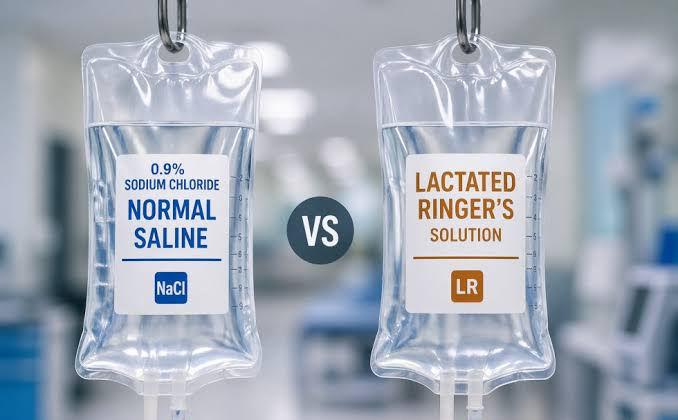
Improved hydration: IV fluids help combat dehydration, which can worsen fatigue.
Non-invasive and safe: Treatments are administered by trained professionals with minimal side effects.
Supports overall wellness: Beyond fatigue, IV therapy can improve skin health, immune function, and mental clarity.
For example, a woman struggling with low energy and poor sleep might receive an IV drip containing Vitamin B12, magnesium, and antioxidants. After a few sessions, she may notice better sleep quality and increased stamina during the day.
Tips to Manage Menopause Fatigue Alongside IV Therapy
While IV therapy can provide a significant boost, combining it with lifestyle changes enhances results. Consider these tips:
Prioritize sleep by creating a cool, dark, and quiet bedroom environment.
Maintain a balanced diet rich in whole foods, lean proteins, and healthy fats.
Stay hydrated by drinking plenty of water throughout the day.
Engage in regular physical activity, such as walking or yoga, to improve energy and mood.
Practice stress-reduction techniques like meditation or deep breathing exercises.
Avoid caffeine and alcohol close to bedtime to improve sleep quality.
These habits support the body’s natural energy production and complement the benefits of IV therapy.
When to Talk to a Healthcare Provider
If fatigue during menopause is severe, persistent, or accompanied by other concerning symptoms, it is important to consult a healthcare provider. Fatigue can sometimes signal other health issues such as thyroid problems, anemia, or depression. A professional can help determine the cause and recommend appropriate treatments, including whether IV therapy is a good option.
Final Thoughts on Menopause Fatigue and IV Therapy
Menopause fatigue is a real and challenging symptom that affects many women. Understanding its causes and addressing nutritional needs, especially Vitamin B12, can make a significant difference. IV therapy offers a safe, effective way to restore balance and boost energy levels quickly.


.png)
Comments