

Heavy Meals, Happy Taste Buds…Tired Body? Need a Reset- IV Therapy can Help.
- revitalizemobileiv
- 9 hours ago
- 5 min read
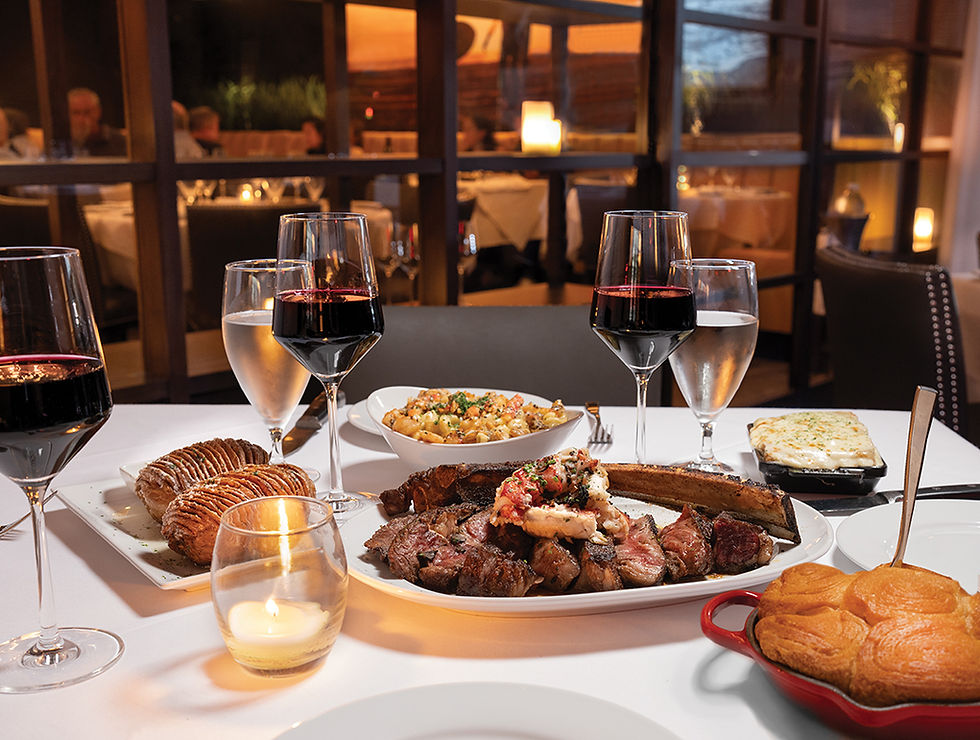
A rich meal can feel wonderful while it is happening. The creamy sides, salty snacks, sweet desserts, and extra glass of wine all have their moment. Then the after-effect shows up: heavy eyelids, bloating, brain fog, thirst, and the strong urge to lie down before the dishes are even cleared.
Post-feast fatigue is common, especially after holidays, celebrations, travel meals, or long dinners that are heavier than usual. Food is fuel, but large meals ask the body to do a lot at once. Digestion takes energy. Sodium can shift fluid balance. Alcohol can add dehydration. Sugar can cause an energy rise followed by a crash.
IV therapy is often used as a wellness support option after big meals or long weekends because it delivers fluids and selected nutrients directly into the bloodstream. It does not “erase” a heavy meal, and it should not replace healthy habits or medical care. But for many people, hydration and nutrient support can help the body feel more balanced during recovery.
This article is for informational purposes only and is not a substitute for professional medical advice.
Why a big meal can leave the body feeling drained
The body does not process a feast the same way it processes a normal lunch. A heavy meal can include more fat, salt, sugar, and alcohol than usual, and each of those can affect how someone feels afterward.
After a large meal, blood flow increases to the digestive system. That is normal. The stomach, intestines, pancreas, liver, and gallbladder all take part in breaking food down and moving nutrients where they need to go. When the meal is especially heavy, that process can feel slow and tiring.
Common post-feast symptoms include:
Sleepiness
Bloating or fullness
Thirst or dry mouth
Headache
Low motivation
Brain fog
General heaviness
Mild nausea
A salty meal can also make the body hold onto fluid in some places while still feeling dehydrated. Alcohol can increase fluid loss and may affect sleep quality, even if it seems relaxing at first. Sweet foods and refined carbs can lead to a short burst of energy, then a dip that feels like a crash.
That is where the phrase Sluggish, low energy , slow moving digestion often fits. The body is working hard, but it may not feel efficient from the outside.
What IV therapy actually does
IV therapy uses a small catheter to deliver fluids into a vein. Depending on the provider and the person’s needs, the IV may include saline, electrolytes, vitamins, or other wellness-focused ingredients.
The key benefit is direct delivery. With oral hydration, water and nutrients must pass through the digestive system first. That is usually fine, and drinking water is still important. But when the stomach feels overly full, unsettled, or slow, sipping enough fluids can feel difficult.
IV fluids bypass digestion. This can be useful when someone feels depleted, mildly dehydrated, or unable to catch up with fluids comfortably.
Common IV therapy ingredients may include:
Fluids
Usually saline or a similar solution to support hydration.
Electrolytes
Minerals such as sodium, potassium, magnesium, or calcium may be included depending on the formula.
B vitamins
These vitamins help the body convert food into usable energy.
Vitamin C
Often included in wellness blends for general nutrient support.
Magnesium
Sometimes used to support muscle and nervous system function.
Specific formulas vary. A licensed medical provider should review health history, medications, allergies, and symptoms before treatment.
How IV therapy may support post-feast recovery
IV therapy is not a shortcut that makes overeating harmless. It also does not speed digestion in a guaranteed or dramatic way. The body still needs time to process food.
The support comes from helping common stress points after a heavy meal.
It can help restore hydration
Dehydration is one of the biggest reasons people feel rough after a big dinner, especially if alcohol, salty foods, or travel are involved. Even mild dehydration can contribute to fatigue, headache, dry mouth, and poor concentration.
IV fluids can help replenish fluid levels more directly than drinking water alone. That may help someone feel clearer and less drained as the body recovers.
It can support electrolyte balance
Electrolytes help regulate fluid balance, nerve signals, and muscle function. Heavy sweating, alcohol intake, high-sodium foods, and low water intake can all affect how balanced the body feels.
An IV blend with electrolytes may help support normal function, especially when paired with rest and sensible eating afterward.
It may help with energy support
B vitamins play a role in energy metabolism. They do not act like caffeine, and they should not be marketed as instant energy. Still, when the body feels depleted, nutrient support may help it return to a more normal rhythm.
For someone who feels wiped out after a celebration, this can be part of a broader recovery plan that includes hydration, light movement, and sleep.
It gives the digestive system a break
After a feast, the last thing many people want is to drink large amounts of water or take a handful of supplements. The stomach may already feel packed.
Because IV therapy does not require digestion, it may be more comfortable for people who feel too full or mildly nauseated to keep up with oral hydration. This does not mean food and water are unimportant. It simply means IV therapy can be an added support tool in certain situations.
What IV therapy cannot do
Good wellness care is honest about limits. IV therapy can support hydration and nutrient intake, but it cannot undo the effects of overeating overnight.
It cannot:
Instantly burn calories
Cure a hangover in a guaranteed way
Treat serious abdominal pain
Replace medical care
Make unhealthy habits risk-free
Diagnose digestive conditions
Severe symptoms need medical attention. Sharp abdominal pain, repeated vomiting, chest pain, fainting, confusion, signs of severe dehydration, or symptoms that do not improve should be evaluated by a healthcare professional.
People with kidney disease, heart conditions, certain blood pressure issues, pregnancy, or complex medical histories should speak with a medical provider before getting IV therapy.
Simple ways to recover after a heavy meal
IV therapy works best when it supports, rather than replaces, basic recovery habits. The next day matters.
Try these simple steps:
Sip water steadily
Small amounts over time are easier on the stomach than chugging.
Choose lighter meals
Think soup, lean protein, fruit, vegetables, oatmeal, or rice.
Take a gentle walk
Light movement can help the body feel less heavy.
Avoid “punishment” workouts
A brutal session can add stress when the body already feels tired.
Get quality sleep
Digestion, hydration balance, and energy recovery all benefit from rest.
Ease back on alcohol and excess sugar
Give the body a calmer day to reset.
The goal is not to feel guilty about enjoying a meal. The goal is to help the body recover without extremes.
When IV therapy makes the most sense
IV therapy may be worth considering after a feast when fatigue, thirst, headache, or general depletion lingers despite drinking water and resting. It may also be helpful after travel, holiday gatherings, weddings, big restaurant meals, or long weekends that include richer food and alcohol than usual.
The best experience starts with a safe, professional approach. A qualified provider should explain the ingredients, review health history, use sterile technique, and answer questions clearly.
Post-feast recovery does not have to mean spending the whole next day feeling uncomfortable. A heavy meal can slow the body down, but the right support can help it find its rhythm again. Hydration, rest, light movement, and smart nutrient support all play a role. IV therapy can be one useful option for helping the body feel refreshed after taste buds have had their celebration.


.png)
Comments